


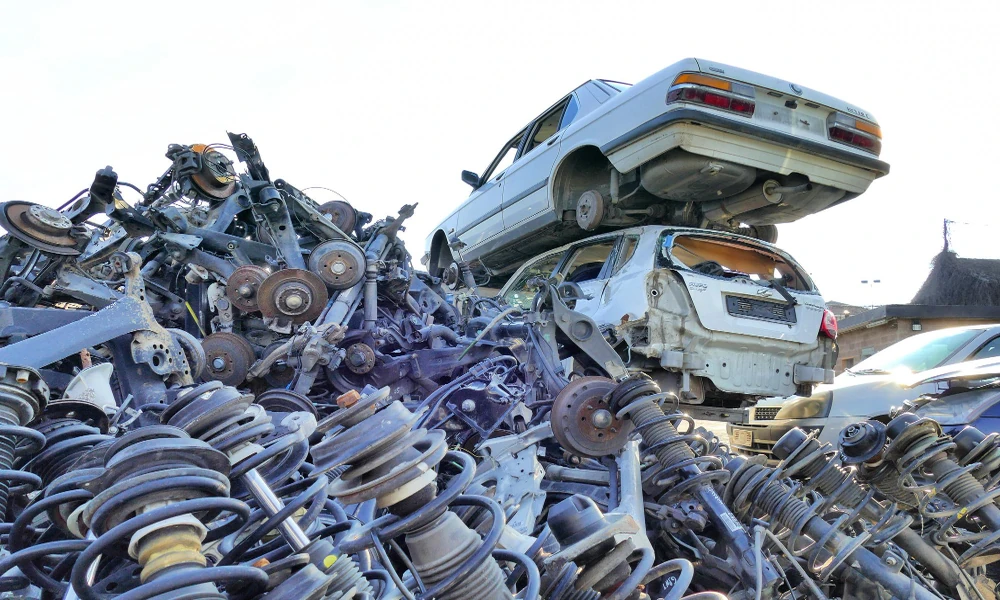
A scrapyard Singapore service that handles vehicle and metal recycling is a regulated facility operating within Singapore’s environmental and vehicle deregistration frameworks. For car owners, the scrapyard is the endpoint of the vehicle disposal process. For businesses and industrial operators generating scrap metal from operations, a scrapyard provides the collection and processing service that converts waste metal into a recyclable material stream, recovering value and meeting waste disposal obligations at the same time.
Vehicle Recycling at a Singapore Scrapyard
When an end-of-life vehicle reaches a scrapyard in Singapore, it enters a depollution and dismantling process. Hazardous fluids including engine oil, coolant, brake fluid, and air conditioning refrigerant are removed and handled according to the National Environment Agency’s requirements for hazardous waste disposal. This step is regulatory: disposing of these fluids incorrectly creates environmental liability.
After depollution, serviceable components with second-hand market value are removed for resale. The stripped shell is then processed through shredding and metal separation. Modern shredding facilities separate the resulting material into ferrous metal (primarily steel), non-ferrous metals (aluminium, copper, and others), and automotive shredder residue (ASR), which contains plastics, rubber, and foam. The metals are sent to smelters for recycling.
For the Singapore vehicle owner, the key interaction with this process is the deregistration transaction: the scrapyard Singapore service handles the LTA deregistration and pays the owner for the vehicle, with the payout including the PARF and COE components as well as the scrap metal value.
Industrial Scrap Metal Collection
Beyond vehicle recycling, scrapyards in Singapore collect scrap metal from industrial, commercial, and residential sources. Construction sites generate steel rebar, structural sections, and reinforcing mesh off-cuts. Manufacturing facilities generate metal turnings, rejected castings, and off-specification material. Demolition projects produce structural steel, copper wiring, and aluminium fabrications.
Scrapyards provide collection services for large volumes of industrial scrap metal, with pricing based on the metal type and prevailing commodity prices. For Singapore businesses with ongoing scrap metal generation, a scrapyard collection arrangement converts what would otherwise be a waste disposal cost into a modest revenue stream.
“Singapore’s commitment to resource efficiency means that every material stream, including metals, should be treated as a resource rather than a waste,” said National Environment Agency director-general James Tan at a waste reduction conference. The scrapyard Singapore industry is part of the infrastructure that makes that resource recovery happen.
Environmental Compliance for Scrapyards
Licensed scrapyards in Singapore operate under NEA environmental permits that govern their handling of hazardous materials, their waste disposal practices, and their operational standards. Engaging a licensed scrapyard rather than an unlicensed operator ensures that your vehicle or scrap metal is processed in compliance with Singapore’s environmental regulations.
Unlicensed scrap operations may offer slightly higher prices but create compliance risk for the parties that use them and contribute to poor environmental outcomes from improper handling of hazardous vehicle fluids and materials.
SGCarScrap Scrapyard Services
SGCarScrap operates scrapyard Singapore services for vehicle owners and metal scrap generators who want a compliant, efficient, and fairly priced recycling solution. Their licensed operations cover vehicle collection, deregistration, and payout processing for car owners, providing a fast vehicle and metal recycling service that meets Singapore’s regulatory requirements.
