


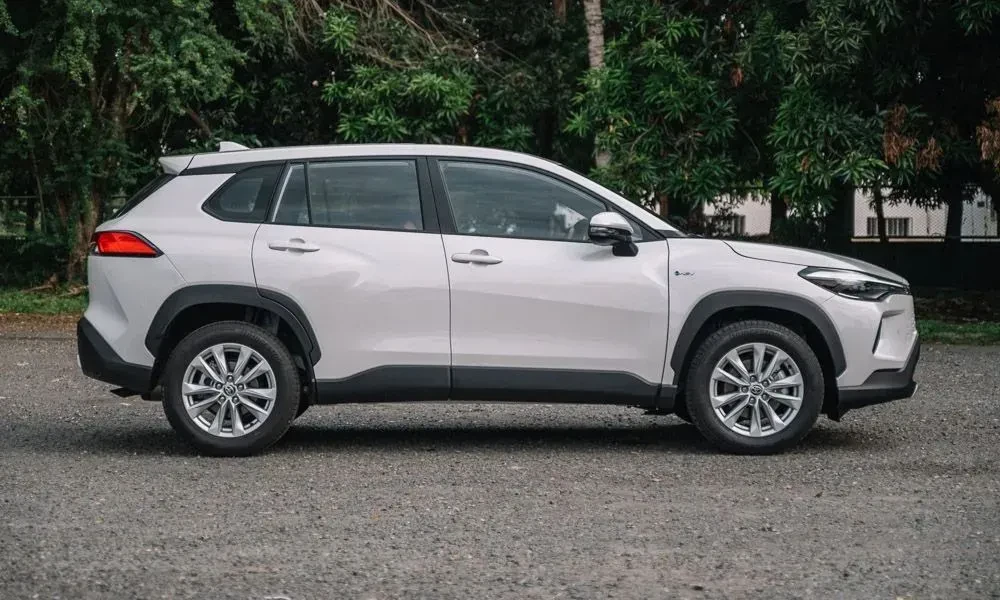
Few car decisions cause as much back and forth as gas versus hybrid. One option costs less upfront, while the other saves money at the pump over time. Picking the wrong one for your driving habits can mean paying for something you don’t really use.
The Corolla Cross comes in both versions, and https://www.toyotaofboerne.com/new-vehicles-san-antonio/corolla-cross is a handy place to see what’s currently in stock. This guide breaks down how the two differ so you can choose with confidence.
Side by Side Numbers
Numbers make the comparison clearer. Here’s a simple look at how the two versions stack up.
| Feature | Gas model | Hybrid model |
|---|---|---|
| Horsepower | 169 | 196 |
| Drive type | Front wheel drive, with all wheel drive available | All wheel drive on every trim |
| Combined fuel economy | About 32 mpg front drive, 30 mpg all wheel drive | About 42 mpg |
| City fuel economy | About 29 to 31 mpg | About 45 mpg |
| Trim names | L, LE and XLE | S, SE and XSE |
The biggest gap shows up in city driving. That’s where the hybrid’s electric motors do most of their work.
When the Hybrid Pays Off
Stop and go traffic is where a hybrid earns its keep. Every time you brake, energy flows back into the battery instead of being lost as heat. If your commute involves lots of lights and slow traffic, the savings come quickly.
Here’s a rough example. Driving 12,000 miles a year at 32 mpg uses about 375 gallons of fuel, while 42 mpg uses about 286. That’s a difference of nearly 90 gallons, or close to 270 dollars a year at three dollars a gallon. Price gaps between versions shift with offers and incentives, so check the latest figures at https://www.toyotaofboerne.com/new-vehicles-san-antonio/corolla-cross before running your own math.
When the Gas Model Makes More Sense
The gas version usually costs less to buy, which matters if you’re working with a firm budget. If most of your miles are steady highway driving, the fuel gap between the two narrows. Hybrids are less efficient at high, constant speeds than they are in town.
Drivers who don’t need all wheel drive can also save by choosing the front drive gas model. For many people in South Texas, where ice and snow are rare, front wheel drive handles daily driving just fine.
Questions to Ask Yourself First
Start by looking at where you actually drive. Track a normal week and note how much time you spend in city traffic versus open highway. That simple habit tells you more than any brochure can.
Next, think about how long you plan to keep the vehicle. Fuel savings grow every year, so someone keeping a car for eight years gains more than someone trading in after three. Finally, test drive both if you can. Some drivers love how quiet the hybrid is at low speeds, while others prefer the familiar feel of the gas engine.
Matching the Engine to Your Miles
There’s no single right answer here, only the answer that fits your driving. Lots of city miles and a long ownership plan point toward the hybrid. Mostly highway driving and a tighter budget lean toward the gas model. Know your habits first, and the choice becomes much easier.
